
Industries & applications
Composite tubes for high-temperature systems.
For boiler systems exposed to heat, pressure and corrosive gases.
Application overview
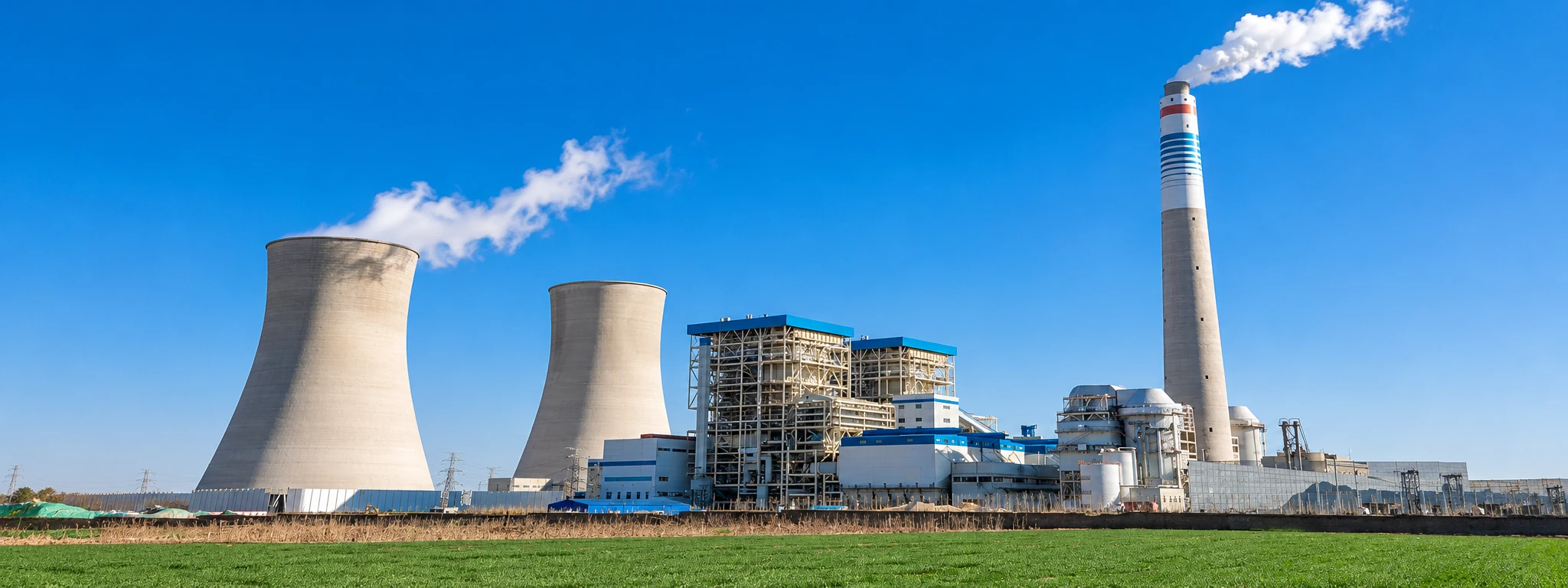
Boilers & waste heat recovery
Boiler tubes work under heat, pressure and repeated temperature changes. Flue gases, deposits or process fluids can also cause corrosion or erosion. Composite tubes bring together metals chosen for strength and resistance at the exposed surface.
Material selection
How the materials work
The base metal is selected for strength under pressure. The exposed alloy is chosen for the gases, steam or fluids it will meet, as well as the operating temperature and joining requirements.
One example is a 20G + 316L evaporator tube.
Application details
At a glance.
Possible applications
- Water-wall and evaporator tube bundles
- Superheaters and reheaters
- Waste-heat and chemical boilers
- Power, pulp and paper, and incineration equipment
Operating conditions
- Temperature, pressure and repeated starts and stops
- Steam, flue gases and corrosive deposits
- Erosion, local overheating and long-term hot service
- Water chemistry and connections
Product forms
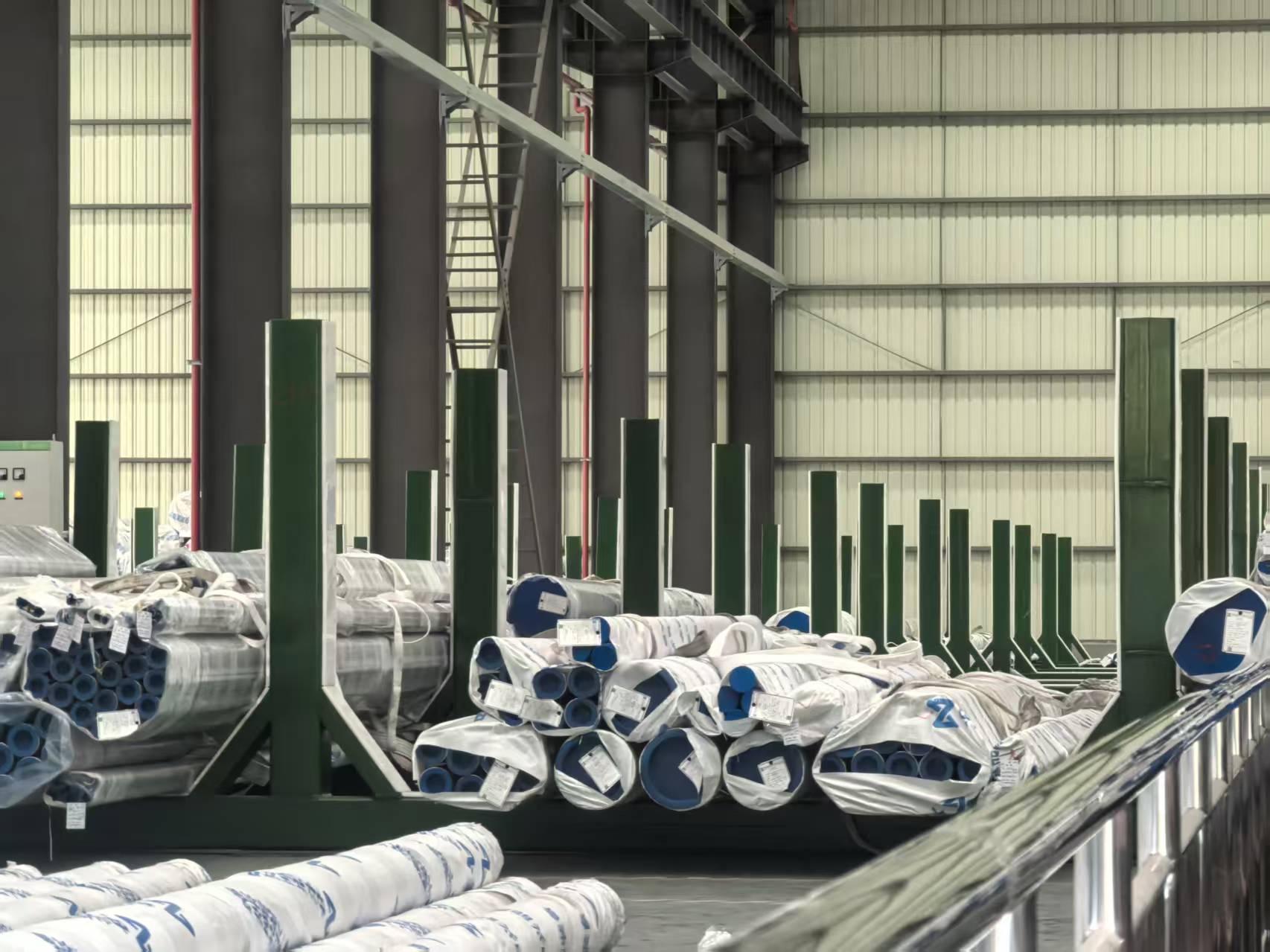
Water-wall, evaporator and superheater tubes; custom tube bundles.
Reference sizes
Typical outside diameter: 38–76.2 mm; custom range: 32–114 mm. Wall thickness: about 4.4–10.2 mm.
Material options
Base metals include 20G, SA210 A1/C and 15CrMoG. Exposed alloys include 304/304L, 316L, 825, 2205, 2507, Sanicro 28 and 625.
Design considerations
- Operating temperature, pressure and cycling
- Corrosion exposure on the flue-gas, steam or fluid side
- Applicable codes, forming requirements and weld details
Contact UNIMETRA
Discuss your application.
Our team can help you explore the materials and pipe options for your project.
Contact UNIMETRA